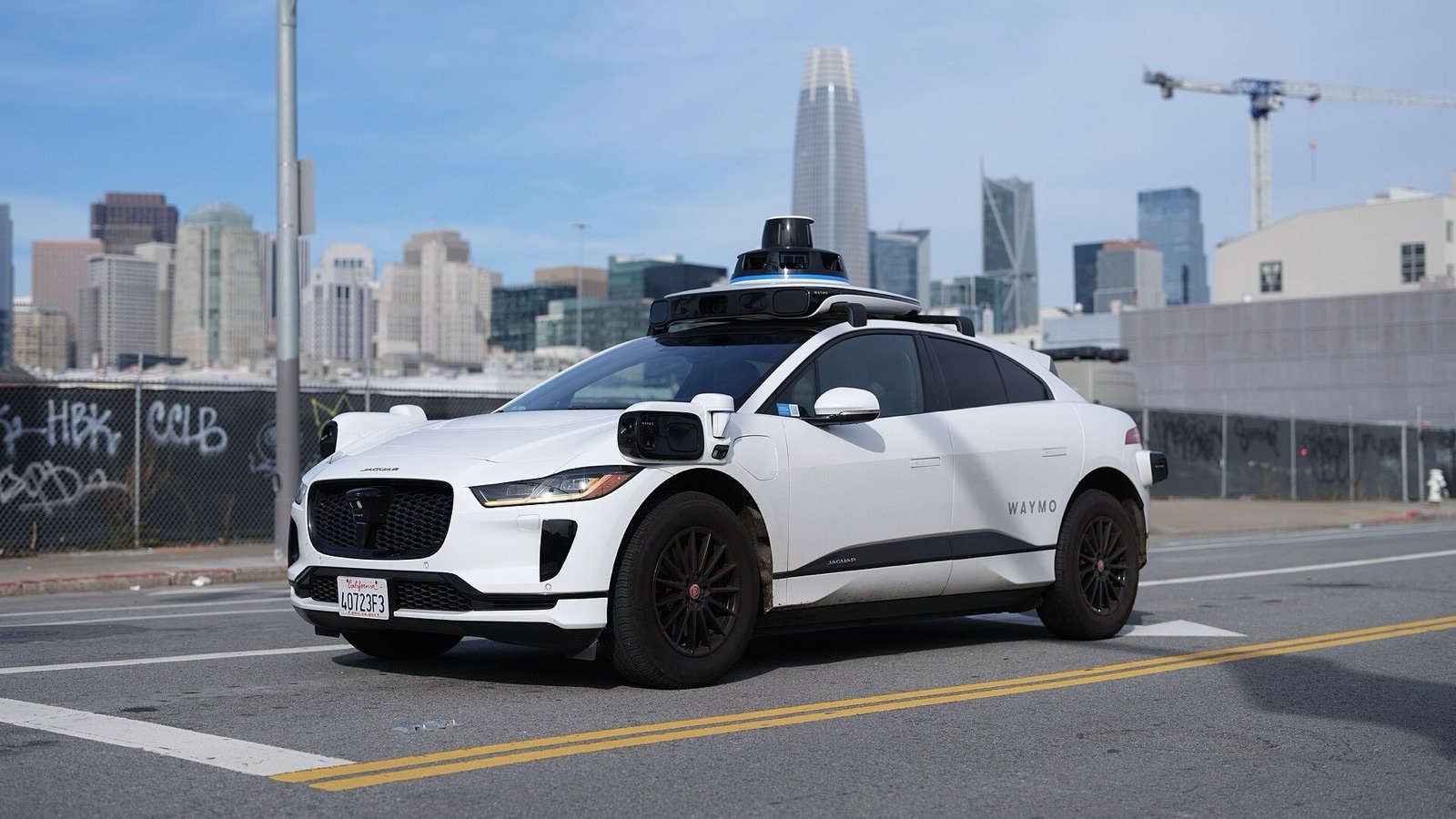
Waymo, the autonomous ride-hailing company, said on October 16 that it is expanding to Toronto, its first Canadian city, with the goal of carrying its first robotaxi passengers there in 2028.
The announcement, made in a Waymo blog post, does not mean driverless rides are starting soon. The company said it is taking “a rigorous, phased, safety-first approach starting with high-definition mapping of local street networks and testing with trained autonomous specialists behind the wheel.”
TechCrunch reported that Waymo received approval to take part in Ontario’s automated vehicle pilot program. The company typically follows the same sequence in each new city, according to TechCrunch: manual driving to build detailed maps, autonomous testing with a safety operator aboard, operation without anyone in the driver’s seat, and finally rides for the public.
Local partners and jobs
Waymo said Toronto-headquartered Element Fleet Management will provide end-to-end fleet management services. With Element and other partners, the company said it would “invest in hundreds of roles over time” in fleet maintenance, validation driving, customer service and other operations that support the service.
“Toronto is one of the world’s great cities — innovative, diverse, and forward-looking,” said Tekedra Mawakana, Waymo’s co-chief executive, who called the move “an important milestone in Waymo’s global journey.” Laura Dottori-Attanasio, chief executive of Element, said: “As a Canadian company, we are proud to be expanding our partnership with Waymo.” She said Element would supply fleet expertise and operational capabilities to support autonomous fleets.
The company pointed to existing Canadian ties, including its long-term investor relationship with the Canada Pension Plan Investment Board and its manufacturing partnership with Magna International. It also named accessibility and mobility groups it is working with, including BALANCE for Blind Adults, CNIB, Community Living Toronto, Connected Canadians and Epilepsy Ontario. Michelle McQuigge, chief executive of BALANCE for Blind Adults, said the group’s mission centers on removing barriers to independence, and that Waymo’s “decision to engage with us early reflects the kind of approach that leads to real results.”
Safety claims
Waymo’s announcement repeated its safety argument for driverless vehicles. The company said data from more than 400 million fully autonomous kilometers shows the Waymo Driver was involved in 95% fewer crashes involving serious injury or worse than human drivers in the cities where it operates. The figure is the company’s own analysis.
Growth at home
The Toronto plan follows a run of expansion in the United States. Two days earlier, on October 14, Waymo said that “anyone in San Antonio, San Diego, and Tampa can download the Waymo app and hail a fully autonomous ride,” with service including San Antonio International Airport. The company said it had welcomed “hundreds of thousands of riders” in those cities since opening service earlier in the year, according to a separate company post.
Waymo now runs robotaxi services in 15 U.S. cities, compared with three commercial markets two years ago, TechCrunch reported. TechCrunch said the expansion push began in March 2025 with Austin, followed by Atlanta. Outside the United States, the company is testing in London and Tokyo.
Why it matters
For Toronto residents, the announcement starts a multi-year process rather than a new transport option; the company’s own target for first riders is 2028. TechCrunch noted that Toronto is the northernmost city Waymo has attempted and possibly its most wintry, which will test both its technology and its operations. Waymo’s post describes its system as an “all-weather Driver.”
The partnership with Element, and the jobs Waymo says will follow, give the project a local commercial footprint before any rides begin. The early involvement of disability and accessibility groups mirrors Waymo’s approach in U.S. cities, where its October 14 post featured statements from a seniors’ foundation and a blind and low-vision organization about transport and independence.
What to watch
The next visible step will be Waymo vehicles mapping Toronto streets, followed by supervised autonomous testing. Waymo has invited interested residents to sign up for updates on its Canada page, and has not given dates for the intermediate stages.
The caveats
The 2028 launch date is a company goal, not a regulatory commitment, and the sources do not describe what approvals Waymo would need in Ontario before carrying paying passengers without a driver.
Corrections and tips: email the editor using the address on the Contact page.