Tesla said on October 21 that it has begun producing its Optimus humanoid robot at its Fremont, California, factory and that it will start selling its steering-wheel-free Cybercab to customers by the end of the year, as third-quarter profit fell 43% from a year earlier.
Robots off the line
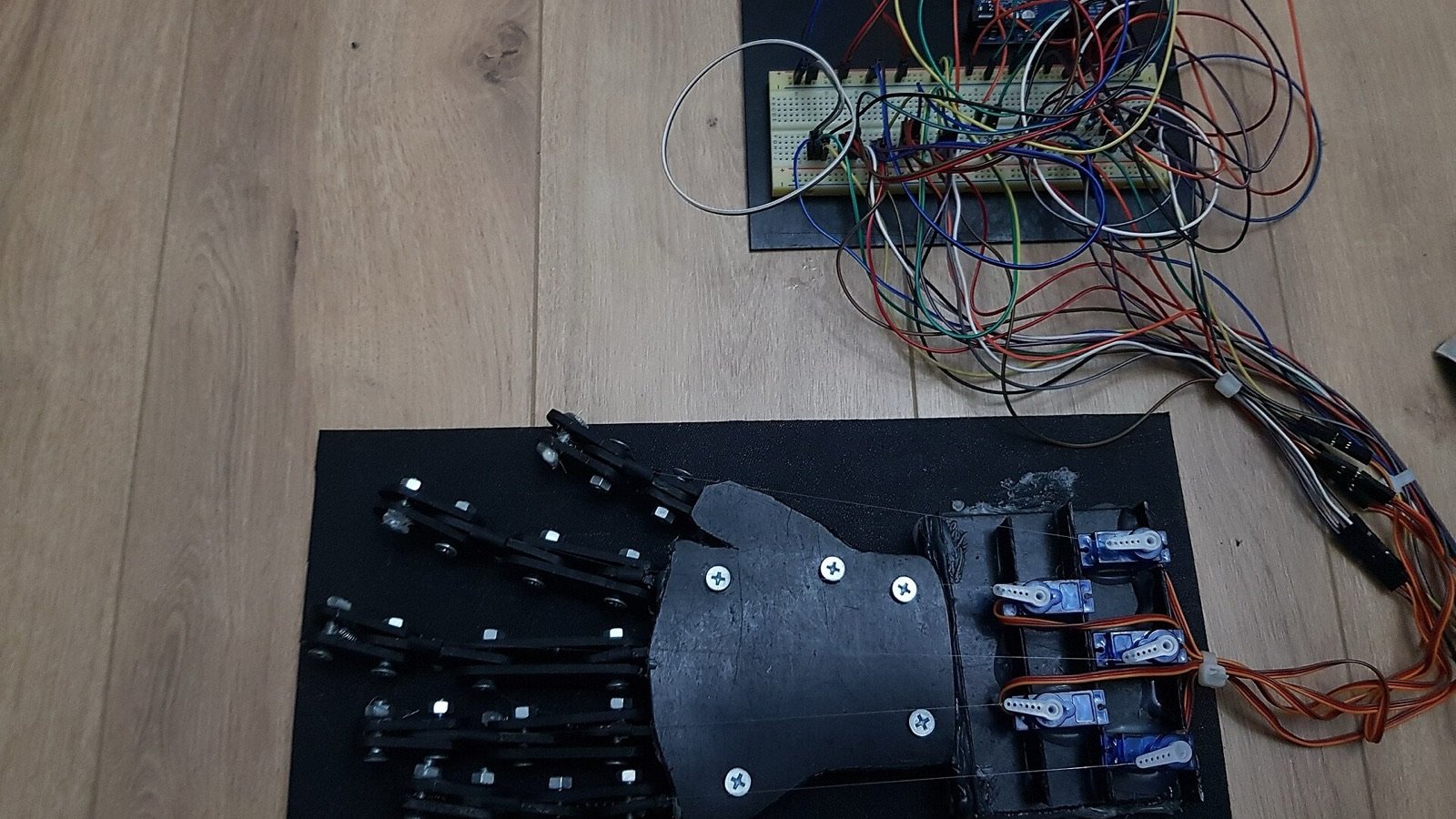
“Optimus production began in Fremont on our high-volume lines,” the company said in its third-quarter update to shareholders. “The bots coming off this line are the first production-quality bots that we have manufactured.” Tesla said it would keep iterating on the hardware and manufacturing process but had shown the process was suitable for a commercial product. The update lists Optimus in California as in “early ramp,” with a Texas Optimus facility under construction.
On the earnings call, Chief Executive Elon Musk described the output as “early production” and said the ramp would be “somewhat bumpy because it is such a radically new product,” according to TechCrunch. He claimed Tesla will be able to make 20,000 of the robots per week by the end of 2027. Musk also said, “There’s still some things we need to tweak about the design,” and TechCrunch reported he acknowledged that significant artificial intelligence (AI) work remains before the robot can handle open-ended tasks.
Cybercab for sale
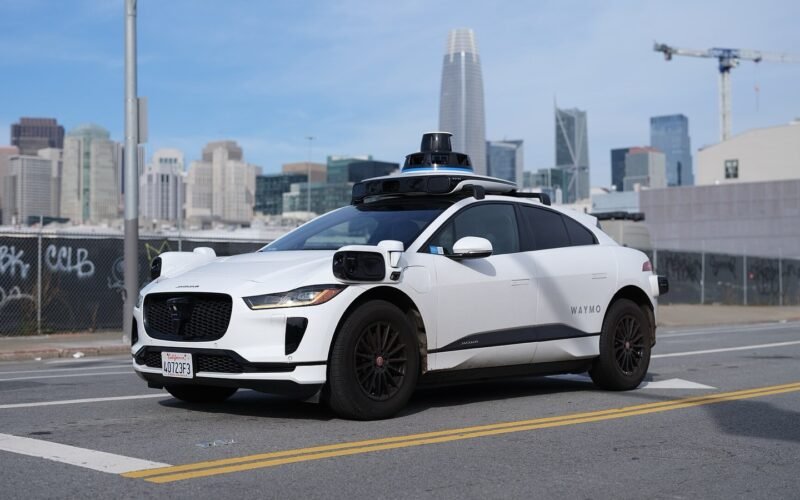
Tesla began offering robotaxi rides in Cybercabs on September 3 in Austin, Texas, the shareholder update says. The two-seat vehicle has no steering wheel or other traditional controls. Tesla reported nearly two million cumulative unsupervised miles for its robotaxi service by the end of the quarter, with operating hours in Austin now running from 6 a.m. to midnight.
Lars Moravy, Tesla’s vice president of engineering, said on the call that Cybercabs built so far go to Tesla’s own fleet, and that as the fleet grows the company will “mainly deliver fully designed autonomous vehicles to our customers,” starting small, TechCrunch reported. Musk said, “Cybercab is primarily going to be something that is offered as like transport as a service,” and that “the vast majority of the Cybercab stuff will be essentially Tesla-owned and transported as a service.” Neither Tesla’s update nor TechCrunch’s report of the call gave a price.
Regulators are examining the vehicle. The National Highway Traffic Safety Administration (NHTSA) opened an investigation in September, hours after Cybercabs began operating on public streets in Austin, saying it would “examine the process and technical data on which Tesla relied when certifying the Cybercab and related issues.” Federal Motor Vehicle Safety Standards require manual controls such as brake pedals; automakers self-certify, and Tesla did so for the Cybercab. In June, the Department of Transportation proposed removing those requirements for vehicles designed to drive themselves, TechCrunch reported.
The numbers
Total revenue was $28.05 billion, roughly flat from $28.10 billion a year earlier, according to Tesla’s financial summary. Net income attributable to common stockholders was $787 million, down from $1.37 billion, and operating income fell to $718 million from $1.62 billion. TechCrunch attributed the profit drop to spending on AI and Optimus and lower sales of regulatory credits.
Vehicle deliveries were 486,532, down 2% from 497,099, while production rose 4% to 464,391. Energy storage deployments rose to 13.7 gigawatt-hours (GWh) from 12.5 GWh, but energy revenue fell to $2.88 billion from $3.42 billion; TechCrunch said Tesla blamed tariff-related customer refunds. Services and other revenue, which includes Full Self-Driving (FSD) subscriptions, rose to $4.61 billion from $3.48 billion.
Why it matters
For Tesla owners, the most direct news concerns self-driving software. Owners can currently subscribe only to FSD (Supervised), which requires an attentive driver. Musk said an unsupervised version would reach customers in the second quarter of 2027, and Ashok Elluswamy, Tesla’s vice president of AI software, said: “We suspect somewhere around Q2 next year is when we can turn on some of the first customer vehicles.” TechCrunch noted that Musk had said in April the unsupervised version would “probably” arrive in the fourth quarter of 2026. Tesla said FSD (Supervised) is now available in nine European Union countries after approvals in Croatia, Slovenia, the Czech Republic and Slovakia.
For investors and competitors, the quarter shows Tesla shifting money toward robots, AI computing and autonomous vehicles while its core car business holds roughly steady. The update said Tesla also began volume production of its Tesla Semi truck in Nevada, delivered its 10 millionth vehicle and unveiled a next-generation Roadster on October 15.
What to watch
Key markers include whether Cybercab customer deliveries begin before year-end as promised, the outcome of NHTSA’s investigation, and progress toward Musk’s 20,000-robots-a-week target for Optimus.
The caveats
Production targets and timelines are Tesla’s own forecasts. The company has previously moved its schedule for unsupervised driving, and its robot and Cybercab plans depend on engineering work and regulatory decisions that remain open.
Corrections and tips: email the editor using the address on the Contact page.