The European Parliament voted on October 22 to postpone methane monitoring and reporting obligations for importers of oil, gas and coal by three years, two years longer than the one-year delay the European Commission proposed eight days earlier.
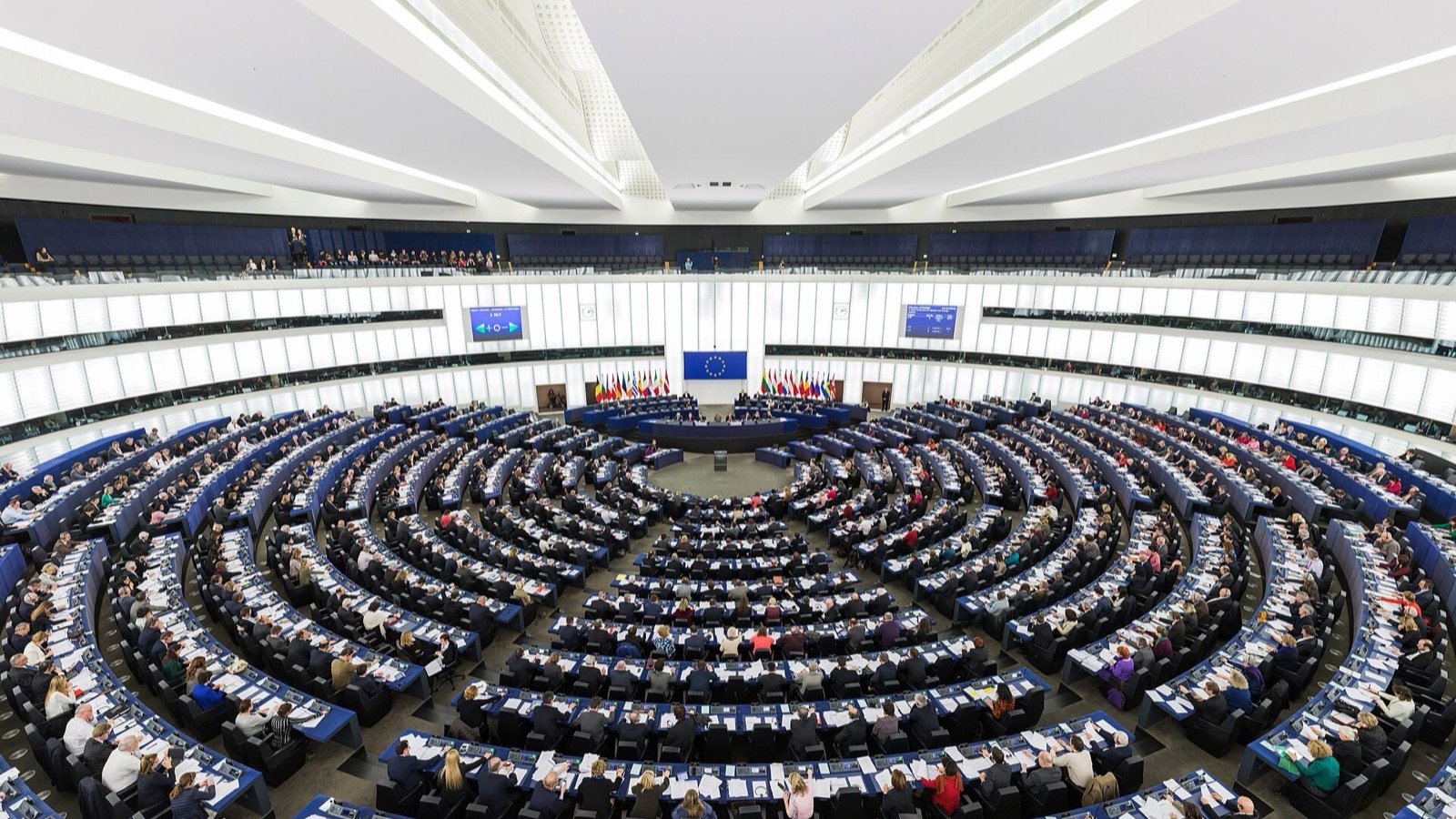
Lawmakers adopted their position on the Commission’s proposal to amend the EU Methane Regulation by 341 votes to 225, with six abstentions, according to the Parliament. Parliament said it is ready to begin negotiations with the Council of the EU on the final law.
What Parliament voted for
Under Parliament’s position, importers would have until May 31, 2031 to show that contracts concluded or renewed since August 4, 2024 cover only fuel subject to monitoring, reporting and verification rules equivalent to the EU’s. The Commission had proposed delaying these obligations, which are due to apply from January 1, 2027, by one year.
Producers and importers would first report the methane intensity of fossil fuels placed on the EU market by August 5, 2031, rather than August 5, 2029. Oil and gas operators would have to submit verified reports combining source-level and site-level measurements by February 2030 for assets they operate and by August 2031 for assets they do not operate.
Parliament’s text gives no extra time for imports from countries under EU sanctions. The existing schedule would continue to apply to oil, gas and coal originating in, or exported directly or indirectly from, those countries, and importers would have to report such volumes separately, including in mixed cargoes. The Commission would publish and update an indicative list of the countries concerned.
The text also requires the Commission to report by July 1, 2029 on implementation and security of supply, covering national penalty regimes, accreditation of verifiers, compliance solutions, and the methodology and maximum values for methane intensity. Where needed, the Commission should propose changes to the regulation.
“Parliament agrees with the need to postpone these requirements, but is pushing for a longer, three-year postponement,” the Parliament said in its statement on the vote. The press release did not quote individual lawmakers or break down the vote by political group.
The Commission’s case for a delay
The Commission put forward its proposal on October 14, describing it as a targeted amendment that would give importers more time to achieve full compliance. It said Europe faces a difficult winter with high energy prices and that tensions linked to the conflict in the Middle East are straining global energy markets, which could reduce the availability of gas and oil and affect the EU’s competitiveness and security of supply.
The Commission said the change does not alter the regulation’s ambition, integrity or scope. “Europe’s ambition in the fight against climate change remains unflinching,” said Dan Jørgensen, the commissioner for energy and housing. He added that the EU needs to be “flexible and pragmatic in the implementation of our rules.”
The file moved quickly. According to Parliament’s legislative observatory, a political group requested the urgent procedure on October 15, the committee referral was announced in plenary on October 19, and the plenary vote followed on October 22. The environment committee is responsible for the file jointly with the industry, research and energy committee. Parliament said it used the urgent procedure to provide legal certainty and wants the amending regulation to enter into force the day after its publication in the EU’s Official Journal.
Why it matters
The Methane Regulation, which entered into force on August 4, 2024, sets rules for measuring, reporting and verifying methane emissions in the energy sector, detecting and repairing leaks, and limiting venting and flaring. Both institutions describe it as the world’s first comprehensive legislation to also regulate methane emissions linked to imports of oil, gas and coal. The Commission says methane is the second-largest source of greenhouse gas emissions after carbon dioxide.
The amendment would change when importers of oil, gas and coal must show that their supply is covered by equivalent monitoring, reporting and verification rules, and when producers and importers must first report methane intensity. The Commission has said a timely agreement between Parliament and the Council is essential for regulatory certainty. In July 2026 it issued two recommendations, one on compliance solutions and one on penalties, and on October 12 it opened a call for feedback on an implementing act setting reporting templates for methane emissions from oil, gas and coal.
What to watch
Parliament’s position must now be reconciled with the Council’s in interinstitutional negotiations; the file has been referred back to the responsible committee for those talks. The procedure file did not list a Council position. The final length of the delay, one year as the Commission proposed or three years as Parliament wants, will be settled in those talks. The Commission said it will continue to monitor any impact on security of supply.
Corrections and tips: email the editor using the address on the Contact page.