Forty-four percent of the world’s reef-building coral species that could be assessed are now threatened with extinction, mainly because of climate change, according to a global reassessment released on October 15 by the International Union for Conservation of Nature (IUCN). The share has risen from about one third in 2008, when the species were first assessed.
The update to the IUCN Red List of Threatened Species covers 892 reef-building coral species, up from 845 in the previous assessment. Of these, 774 had enough data to be evaluated. A total of 340, or 44%, were placed in one of the three threatened categories: 33 Critically Endangered, 251 Endangered and 56 Vulnerable. The number of species listed as Data Deficient fell to 118 from 141.
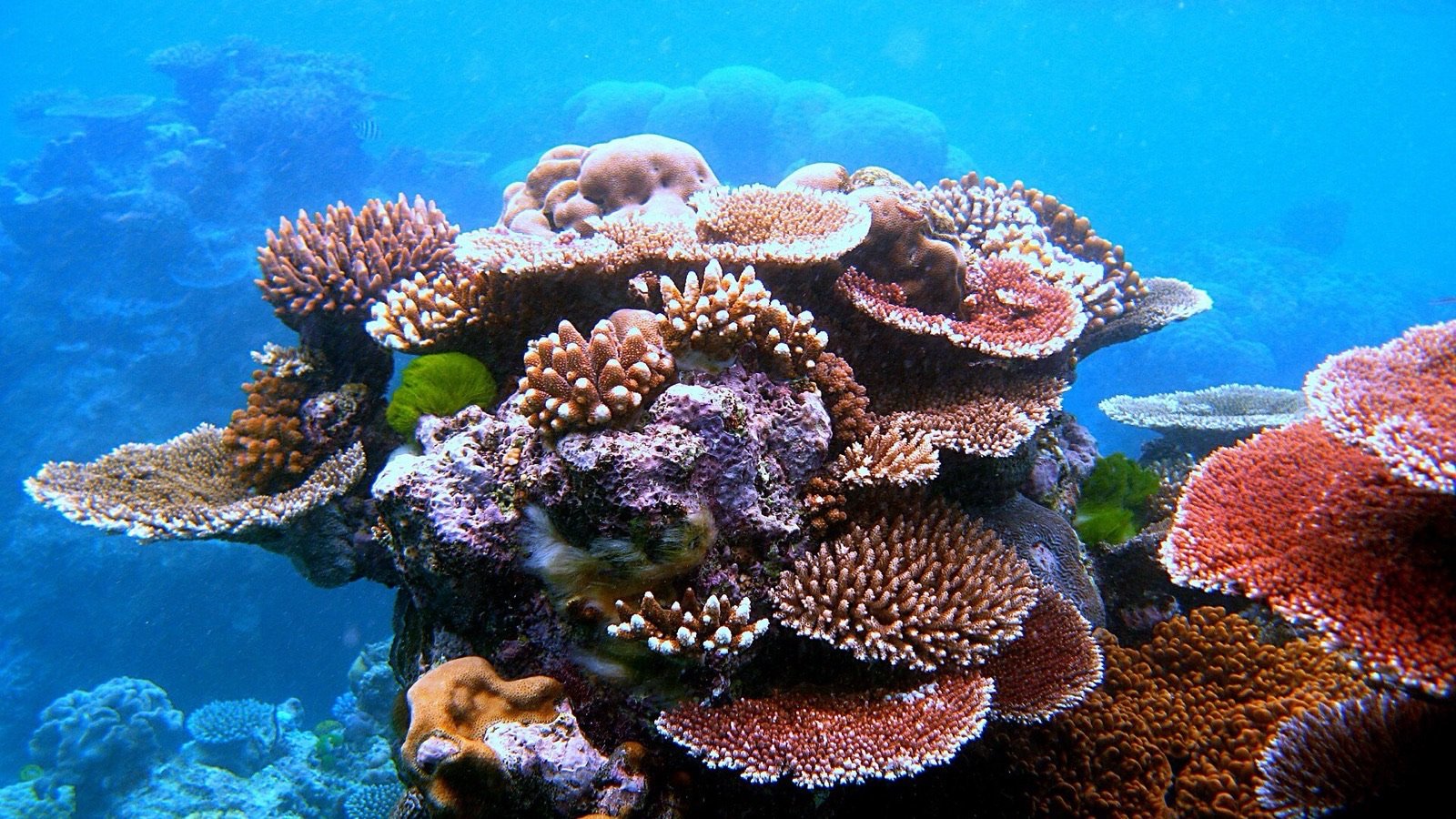
The risk is spread across ocean basins. According to the IUCN, 43% of Indo-Pacific species and 50% of Atlantic species are threatened. In the Indo-Pacific, 191 of 279 species in the family Acroporidae, or 68%, are listed as Endangered. The family includes the staghorn corals of the genus Acropora and the encrusting corals of the genus Montipora.
How the assessment was done
The work was carried out by the IUCN Species Survival Commission’s Coral Specialist Group with data and expertise from more than 60 coral experts, and was funded by the MSC Foundation, the IUCN said. The underlying analysis was published as a peer-reviewed paper in Nature, titled “Nearly half of reef-building corals face elevated relative risk of extinction.” The paper was accepted on October 6 and published on October 15 as an early version that will later be replaced by a final version of record.
Because population trends are not available for most individual coral species, the authors estimated population declines using two proxies covering three decades: global trends in coral cover and projected annual severe bleaching under a climate scenario known as SSP2-4.5. Both were adjusted using trait-based estimates of how vulnerable each species is. The paper says most threatened listings are “due to risk of population reduction associated with projected thermal stress.”
The IUCN said climate change is the main threat and determines the final status of more than 90% of the species in the highest-risk categories. It linked the decline to an extraordinary rise in ocean temperatures during the fourth global coral bleaching event, which ran from 2023 to 2025.
Fastest decline of any assessed group
The Red List Index, which runs from 1 when no species are at high risk to 0 when all are extinct, fell for corals from 0.96 before 1998 to 0.89 in 2008 and 0.74 in 2024, according to the IUCN. That is the fastest decline of any comprehensively assessed group. The coral index is falling by 0.07 to 0.094 points per decade, compared with 0.002 to 0.039 points for mammals, sharks and rays, birds, amphibians and cycads.
“This assessment provides the most comprehensive evaluation to date of global extinction risk among reef-building corals,” said David Obura, co-chair of the IUCN coral specialist group and director of CORDIO East Africa in Kenya. Francoise Cabada-Blanco, the group’s other co-chair and a professor at the University of Portsmouth in the United Kingdom, said: “Coral reefs are experiencing rapid environmental change, but responses vary greatly among species and regions.” Daniela Picco, executive director of the MSC Foundation, said: “Protecting coral reefs requires a strong scientific foundation.”
Why it matters
The reassessment updates a picture first drawn in 2008 and finds reef-building corals declining faster than any other group the Red List has fully evaluated. Obura described it as the most comprehensive evaluation to date of extinction risk among these corals, and the IUCN said climate change now determines the status of more than 90% of the highest-risk species, tying their outlook closely to ocean temperatures.
The IUCN said the outlook could worsen. Its release describes the onset of what it called the strongest El Niño ever recorded, a “super El Niño” expected for 2026–27, and said this adds further risk to corals already affected by the 2023–2025 bleaching event.
The caveats
The figures may understate current risk. The IUCN said the findings rely on data up to 2020 and the assessment was completed before the 2023–2025 bleaching event; the paper notes that its results predate the three hottest years on record. The authors also stress that the Red List measures relative extinction risk and “does not predict whether or when a species may go extinct,” which is why the study’s title refers to “elevated relative risk.”
The estimates rest on proxies rather than direct counts of each species. The authors write that coral ranges remain under-surveyed and that future assessments would be strengthened by species-level population data and better measures of thermal stress and recovery.
Corrections and tips: email the editor using the address on the Contact page.