US employers added 29,000 jobs in September and the unemployment rate rose to 4.2 percent from 4.1 percent, the Bureau of Labor Statistics (BLS) said on Friday, October 2, in a report that also cut its estimates of hiring in July and August.
The bureau said both nonfarm payroll employment and the jobless rate “changed little” in September. Revisions moved July’s payroll change from a gain of 21,000 to a loss of 10,000 and August’s from a gain of 162,000 to 133,000, leaving the two months a combined 60,000 jobs lower than previously reported. The BLS said monthly revisions result from additional reports received from businesses and government agencies.
Payroll growth averaged 45,000 a month over the prior 12 months, according to the release. The number of unemployed people stood at 7.1 million.
Where the jobs were
Health care added 17,000 jobs, continuing an upward trend but at a slower pace than its average monthly gain of 33,000 over the prior year. Within the sector, ambulatory health care services added 13,000 jobs and hospitals 12,000, while nursing and residential care facilities shed 9,000.
Construction added 11,000 jobs and manufacturing 9,000. The bureau noted that manufacturing employment “is up by 72,000 since a recent low in December 2025.” Financial activities lost 7,000 jobs and is down 129,000 since a peak in May 2025, “with most of the job loss in insurance carriers and related activities (-90,000),” the report said.
Employment showed little change in mining and oil and gas extraction, wholesale and retail trade, transportation and warehousing, information, professional and business services, leisure and hospitality, and government. The bureau said employment in all major industries changed little over the month.
Average hourly earnings for private-sector employees rose 5 cents, or 0.1 percent, to $37.81 in September and were 3.0 percent higher than a year earlier. For production and nonsupervisory employees, hourly earnings rose 7 cents, or 0.2 percent, to $32.60. The average workweek for private-sector employees held at 34.4 hours.
What the household survey showed
The separate household survey, which produces the unemployment rate, put the labor force participation rate at 61.8 percent, up from 61.6 percent in August but below the 62.5 percent recorded in September 2025. The employment-population ratio was 59.2 percent.
“Among the major worker groups, the unemployment rate for people who are Black (7.0 percent) increased in September,” the bureau said; the rate had been 6.0 percent in August. Jobless rates showed little change for adult men (3.9 percent), adult women (3.6 percent), teenagers (14.5 percent), White workers (3.6 percent), Asian workers (2.9 percent) and Hispanic workers (4.7 percent).
The number of long-term unemployed, people out of work for 27 weeks or more, was essentially unchanged at 1.9 million, or 27.1 percent of all unemployed people. About 4.5 million people were working part time for economic reasons. Among people outside the labor force, 5.8 million said they currently want a job, and the bureau counted 414,000 discouraged workers.
Why it matters
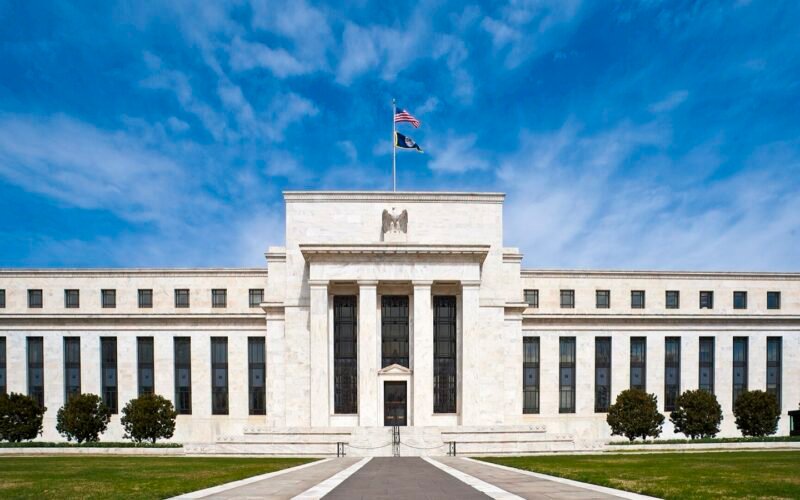
The report follows a decision by the Federal Reserve last month to raise interest rates. At its September 15–16 meeting, the Fed’s Federal Open Market Committee voted 12–0 to raise the target range for the federal funds rate by a quarter percentage point to 3.75 to 4 percent, saying that inflation “remains elevated.” In that statement, the committee said job gains “have kept pace with the workforce” and that the unemployment rate “has changed little.”
For job seekers and employers, the September report and its revisions describe a labor market adding jobs slowly. With July now showing a net loss, the summer was weaker than first reported. Health care, construction and manufacturing added jobs in September, while financial firms, particularly insurers, continued to cut. Private-sector wages rose 3.0 percent over the year to September, according to the BLS.
What to watch
The BLS is scheduled to publish the October employment report on Friday, November 6, 2026, at 8:30 a.m. Eastern Time. That release will include further revisions to the August and September payroll figures.
The caveats
The August and September payroll estimates are preliminary and will be revised, as this report showed with the July figure. The payroll numbers come from a survey of employers, while the unemployment rate and participation figures come from a separate survey of households.
Corrections and tips: email the editor using the address on the Contact page.