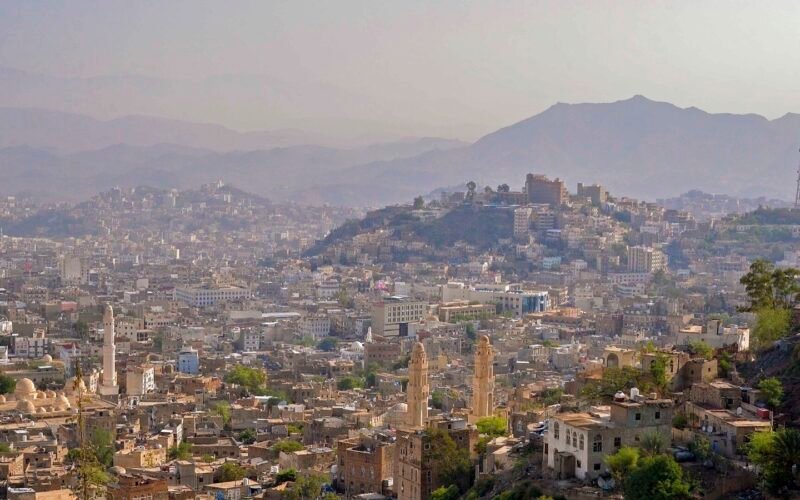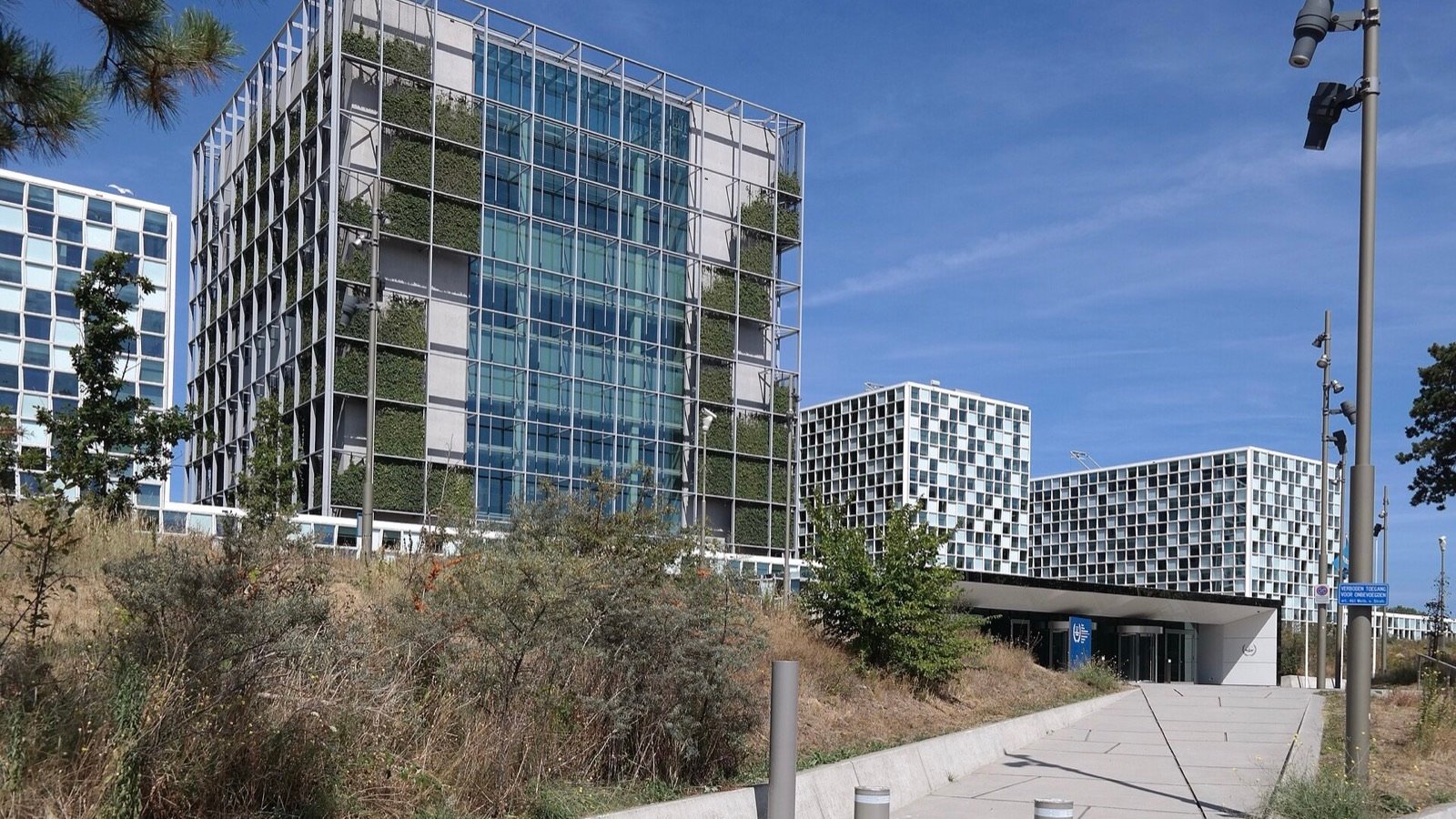
Judges at the International Criminal Court (ICC) on October 5 made public four arrest warrants accusing the Taliban’s supreme leader and three other senior figures of persecuting women, girls and others in Afghanistan, conduct the court classifies as a crime against humanity.
The decision by the court’s Pre-Trial Chamber II unsealed warrants issued on July 8, 2025, and September 9, 2025, against Haibatullah Akhundzada, Abdul Hakim Haqqani, Habibullah Agha and Neda Mohammad Nadim. The ICC’s Office of the Prosecutor identifies Akhundzada as the Taliban’s supreme leader, Haqqani as chief justice of the “Islamic Emirate of Afghanistan,” Agha as acting minister of education and Nadim as acting minister of higher education. The existence of the first two warrants was disclosed in July 2025, while the warrants for the two ministers had remained sealed until Monday, according to Afghanistan International.
The chamber found reasonable grounds to believe that the four men are criminally responsible for having “ordered, induced or solicited” persecution under article 7(1)(h) of the Rome Statute, the court’s founding treaty. According to the court, the persecution was carried out on gender grounds against girls, women and other people not conforming with the Taliban’s policy on gender, gender identity or expression, and on political grounds against people perceived as “allies of girls and women.” The crimes are believed to have been committed since the Taliban seized power on August 15, 2021, and to have continued until at least January 20, 2025, the court said.
The judges said the suspects, acting on behalf of the Taliban, implemented a governmental policy that resulted in severe violations of the fundamental rights of Afghanistan’s civilian population, in connection with murder, imprisonment, torture, rape and enforced disappearance. Through decrees and edicts, the court said, girls and women were deprived of the rights to education, privacy and family life and of the freedoms of movement, expression, thought, conscience and religion. Other people were targeted because certain expressions of sexuality or gender identity were regarded as inconsistent with Taliban policy, it added.
In line with what it called current developments in international law, the chamber said the Rome Statute’s definition of gender requires an interpretation that “goes beyond a purely biological conception of sex.” It found that gender persecution “encompasses not only direct acts of violence, but also systemic and institutionalised forms of harm, including the imposition of discriminatory societal norms.”
What the parties say
The prosecutor’s office, which applied for the first two warrants on January 23, 2025, and for the warrants against Agha and Nadim on March 6, 2025, welcomed the decision in a statement on October 6. “The plight of Afghan women and girls is one of the gravest examples of gender persecution,” Deputy Prosecutor Nazhat Shameem Khan said. “Afghan women and girls are systematically discriminated against, on the basis of their gender. They deserve justice.”
When the court announced the warrants against Akhundzada and Haqqani in July 2025, the Taliban rejected them in a statement issued by a spokesman, the news outlet Amu TV reported at the time. “We do not recognize any institution by the name or title of the ‘International Court,’ nor do we accept any obligation to it,” the statement read, according to Amu TV. The statement defended Taliban rule as based on Islamic principles and said the movement had established “unprecedented justice” in Afghanistan, the outlet reported.
The unsealing came on the same day that the UN Human Rights Council, meeting in Geneva, extended by consensus the mandate of Richard Bennett, the UN special rapporteur on Afghanistan, for another year, Afghanistan International reported. The outlet noted that Taliban spokesman Zabihullah Mujahid said in an interview published in August 2024 that Bennett would no longer be granted a visa to enter Afghanistan.
Why it matters
The warrants place the officials responsible for Afghanistan’s schools and universities alongside the country’s top political and judicial figures in the same case. Afghanistan International, citing UN figures, reported that Afghanistan is the only country in the world where girls are barred from attending school beyond the sixth grade and women are prohibited from university education. UN News reported that the judges found the policy targeted girls and women specifically because of their gender, even though some Taliban rules applied to everyone.
Enforcement depends on governments. The ICC has no police force of its own and relies on cooperation from its member states to carry out arrest warrants, and all four men remain in Afghanistan, where the Taliban control the country, Afghanistan International noted.
What to watch
The prosecutor’s office said it continues to investigate allegations of gender persecution by the de facto authorities in Afghanistan, as well as alleged persecution of the civilian population on other grounds, including politics, ethnicity and religion. When the first two warrants were issued in 2025, the ICC prosecutor said further applications against other senior Taliban members would follow, UN News reported.
The caveats
Arrest warrants are not findings of guilt; they reflect the judges’ assessment that there are reasonable grounds to believe the suspects are responsible. The documents released on October 5 are public redacted versions of the decision and the warrants. The Taliban statement quoted above was issued in response to the July 2025 announcement of the first two warrants.
Corrections and tips: email the editor using the address on the Contact page.